 Wäicuni Foundation
Uwọttüjạ, Venezuela · Q'ero, Perú · Siona, Ecuador & Colombia · Kogi, Colombia
Collaboration initiated 2010. Funded school construction initiated 2022.
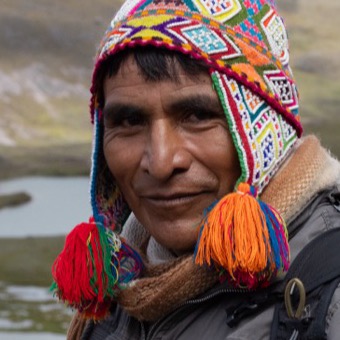
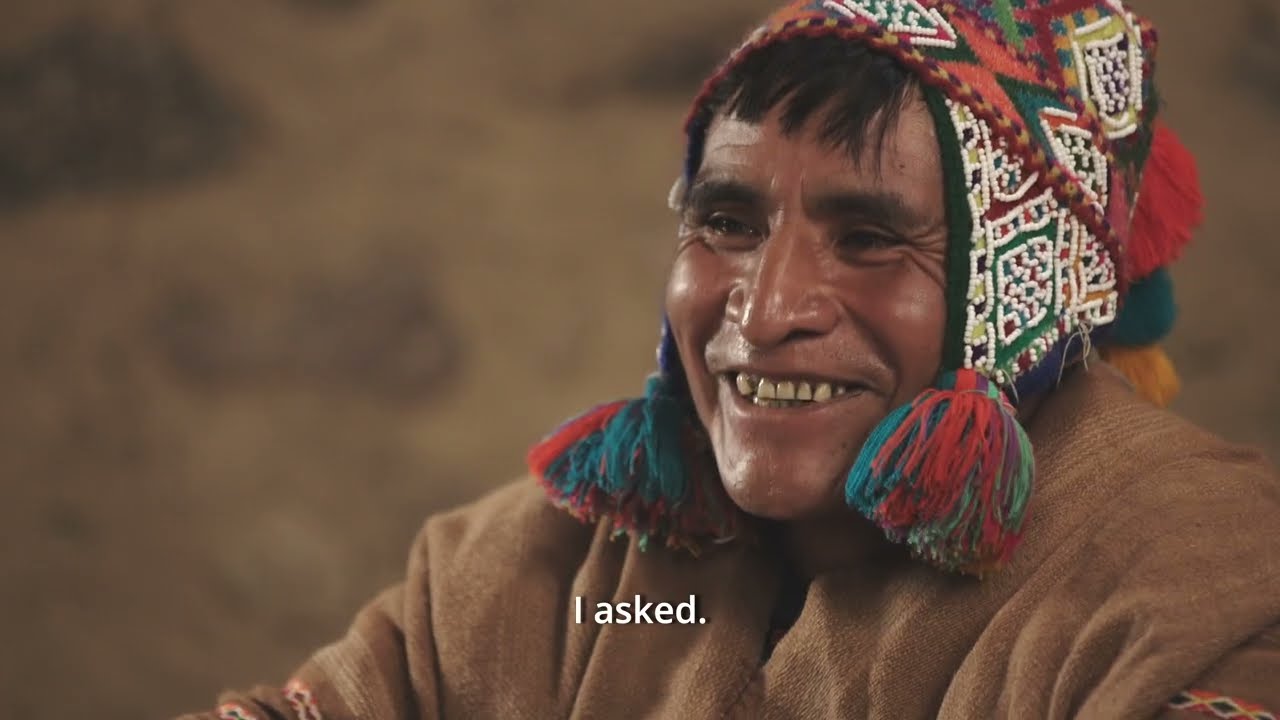
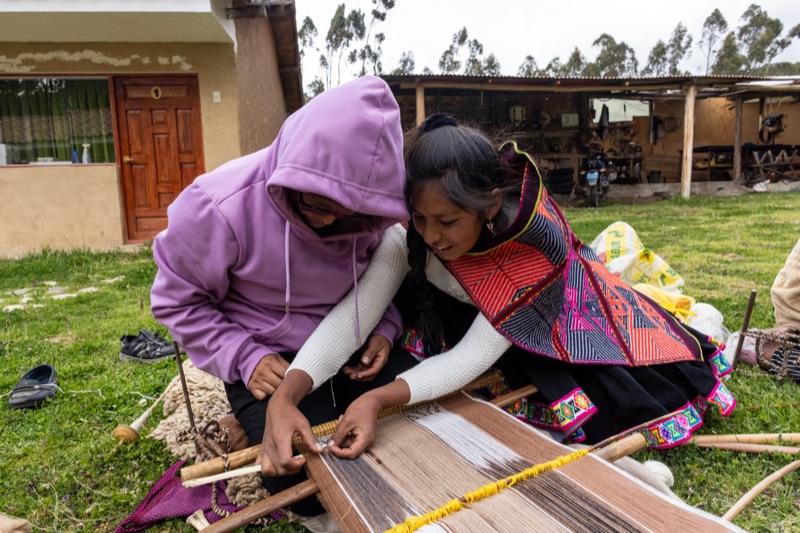
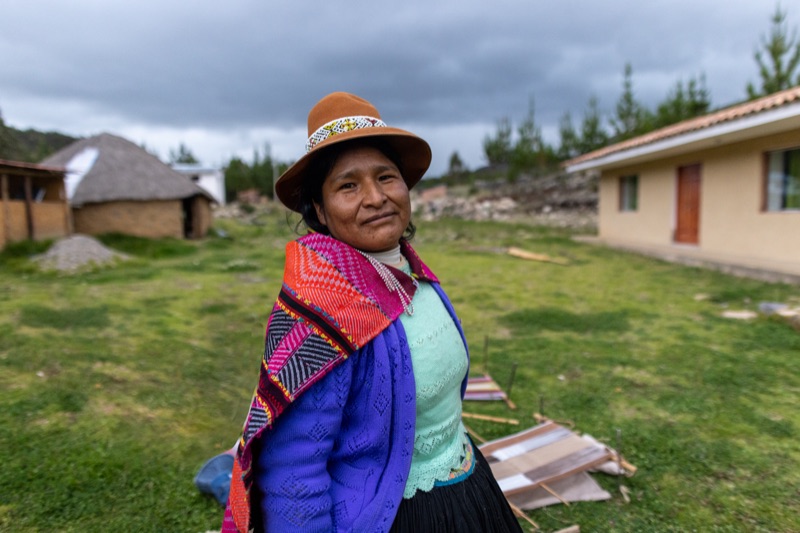
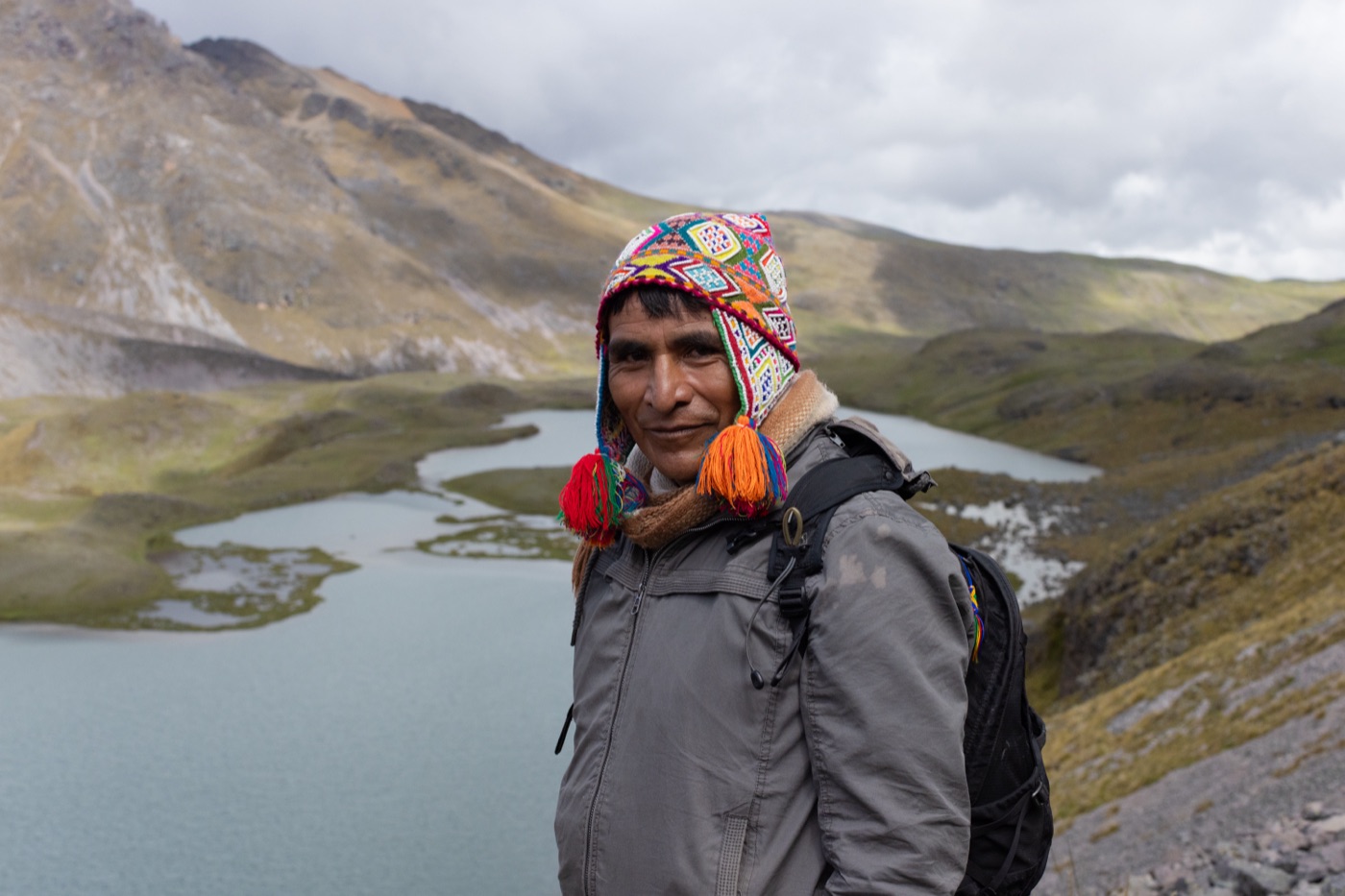
For the last twenty years, Vicente, a Q'ero medicine man, and his wife Felicitas, an ancestral Q'ero weaver, have dedicated themselves to preserving and transmitting the traditional knowledge of their people in the high mountain Q'ero communities of the Peruvian Andes.
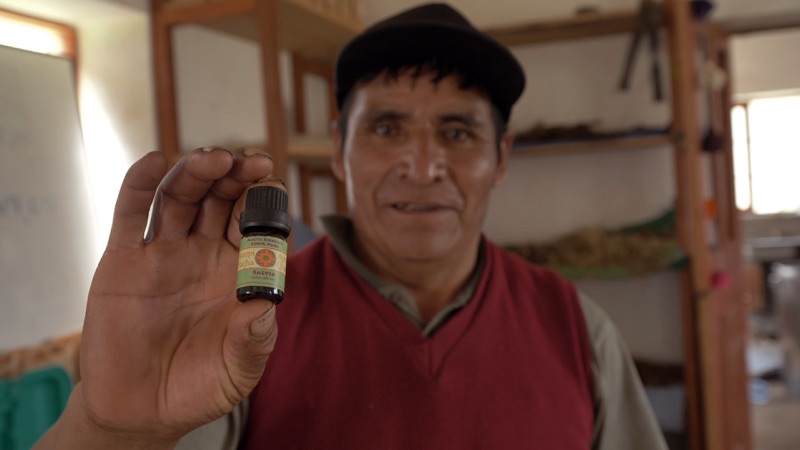
Observing that many of their people have abandoned their ancestral connection, Vicente collected and documented the medicinal plants and healing practices of the five communities of the Q'ero Nation. On his own, he established a natural medicine laboratory, greenhouse, gardens, and seed bank.
Recently, Vicente and Felicitas initiated Ñaupa Yachay, a Q'ero School of Ancestral Tradition, Medicine, Arts & Agriculture in Chaya, near the base of the sacred mountain Apu Ausangate.
We are currently seeking funding for the following:
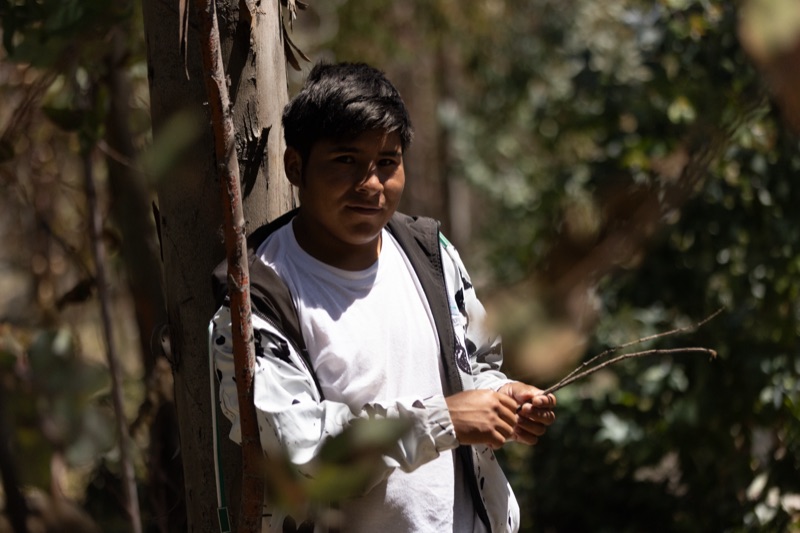
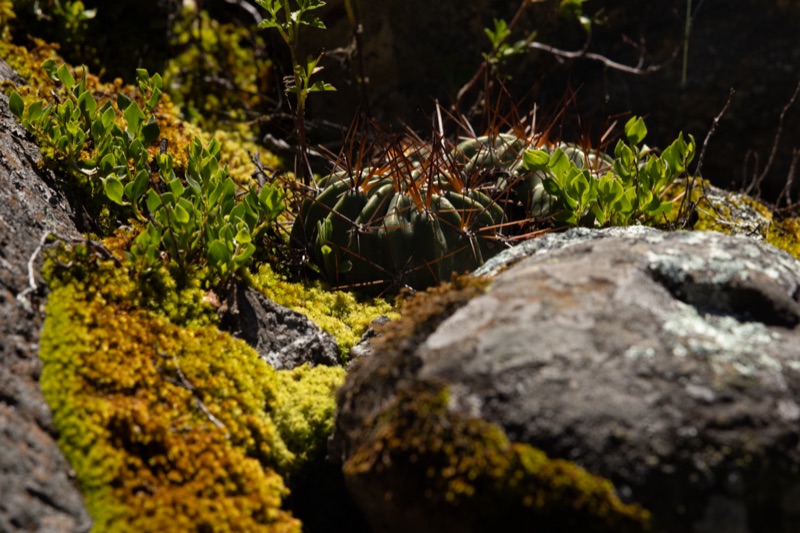
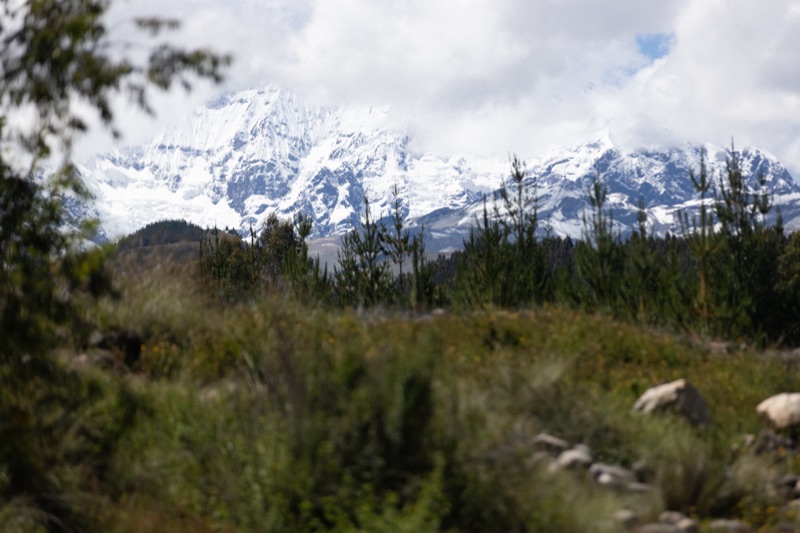
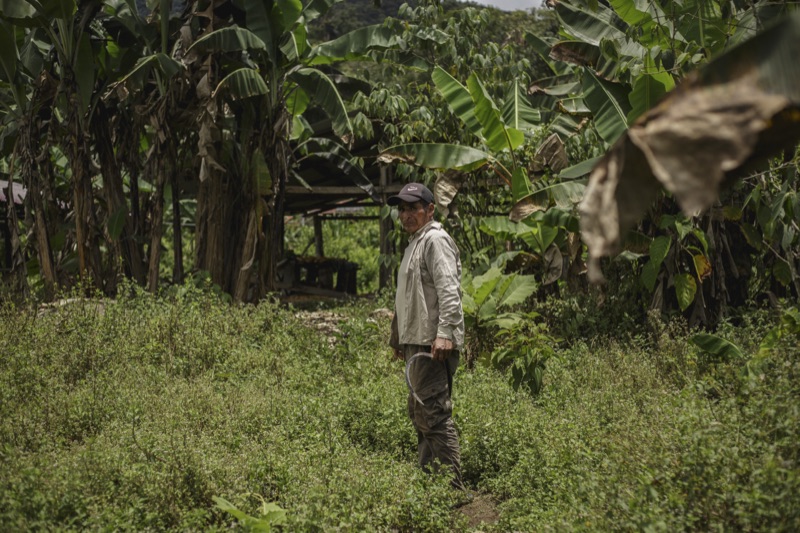
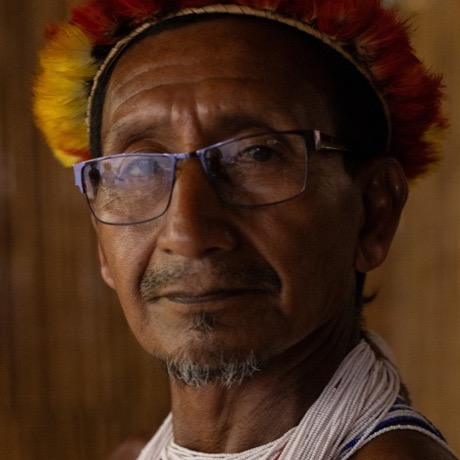
Collaboration initiated 2010. Cultural center funded construction initiated 2022.
Within the larger Uwọttüjạ (Piaroa) tribe of the Venezuelan Amazon, the Bolívar family is headed by the married couple Don Juan Bolívar, recognized by the Venezuelan government as the tribe's chief, and his wife Doña Julia. Don Juan is the son of the late Don Bolívar and the still-living Doña Elena, who, as chado (grandfather) and chada (grandmother), were the heads of the Uwọttüjạ Piaroa lineage. Don Bolívar, a medicine man and peaceful leader, was well known throughout South America and beyond for his unparalleled knowledge and visions for humanity.
Their spiritual practices encompass a complex cosmology, shamanism, and medicinal plants. Their primary ceremonial work involves the medicine "yopo," and their lives are centered on serving the healing and visionary capacities of this medicine.
Wäicuni Foundation funds cultural preservation, language documentation, infrastructure, and community-directed education. We do not organize, sponsor, broker, or facilitate ceremony, medicine, or travel for outside participants. Visits to partner communities occur only at the invitation of the elders, under community-set terms and a written code of conduct.
We are currently seeking funding for the following:
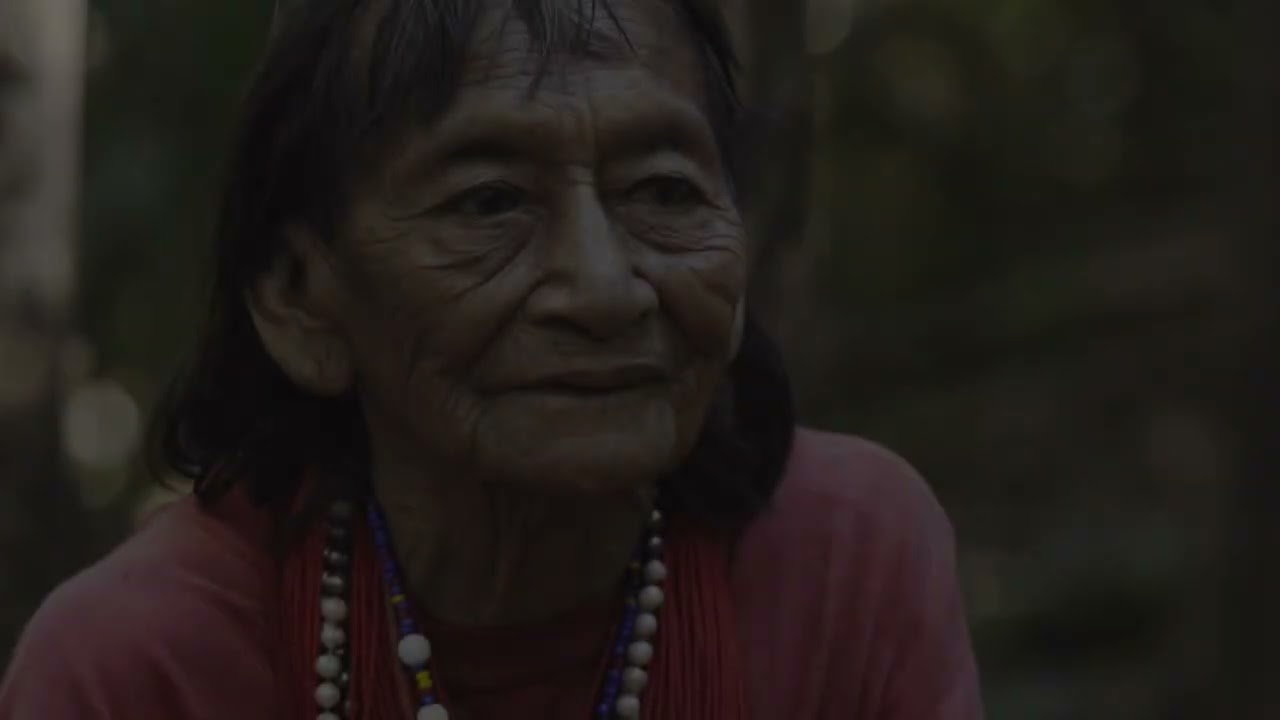
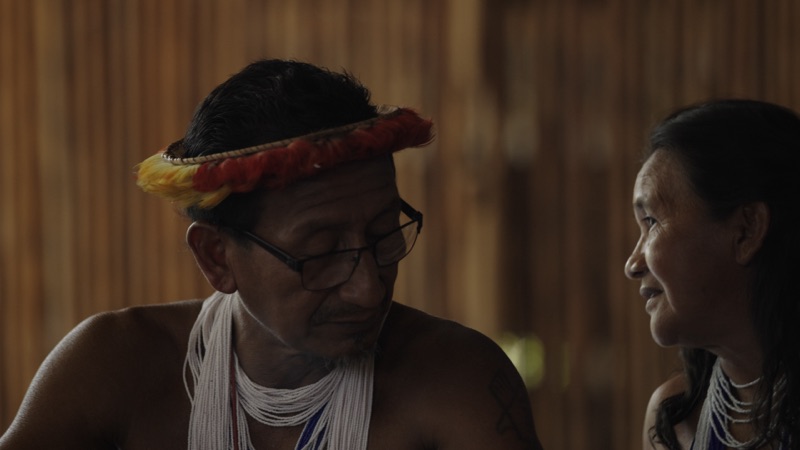
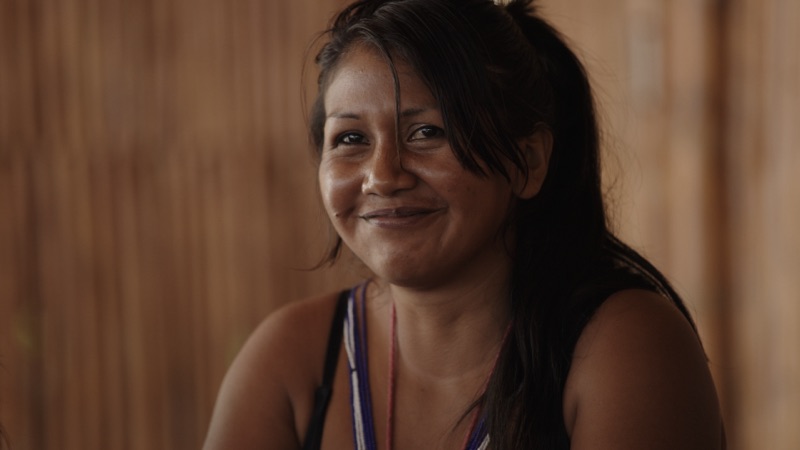
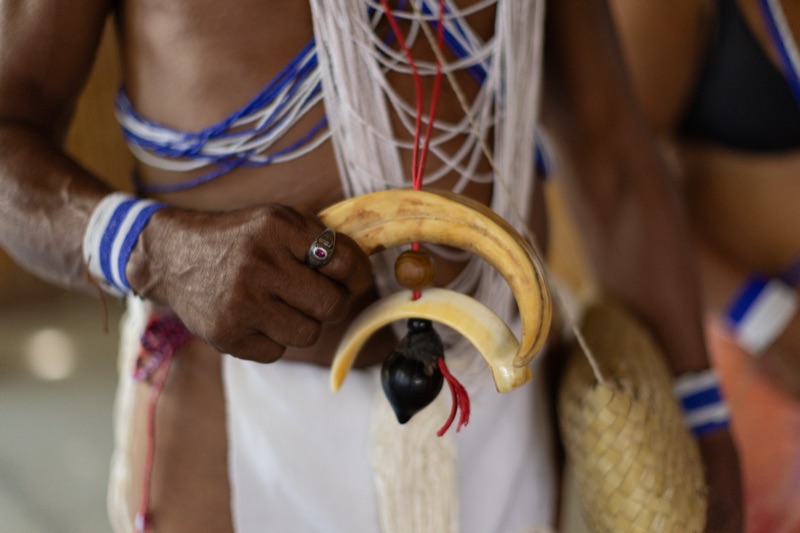
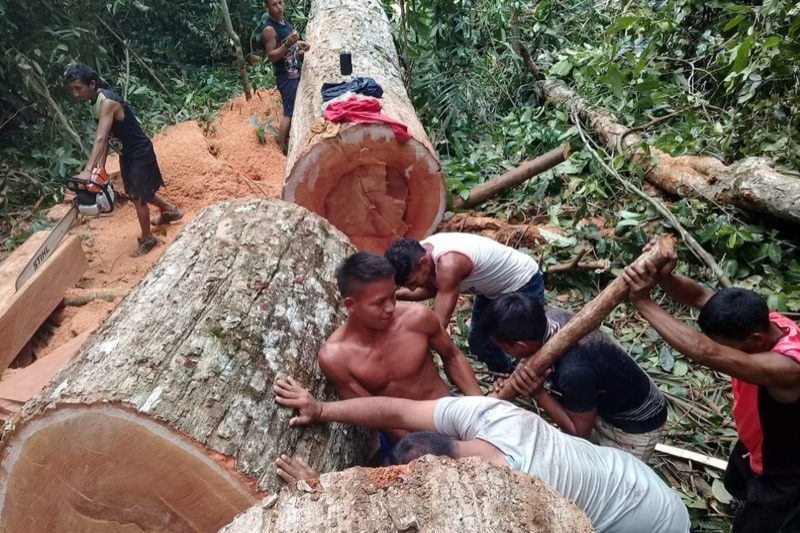
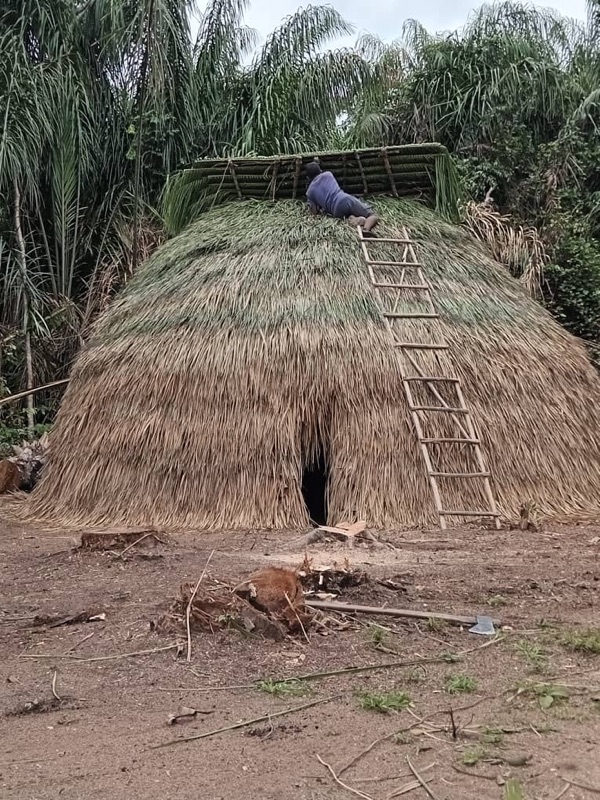
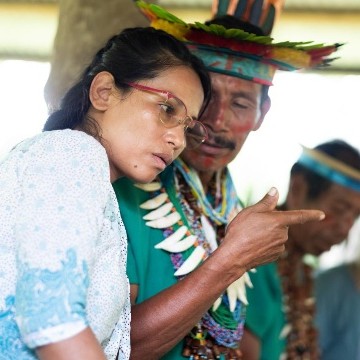
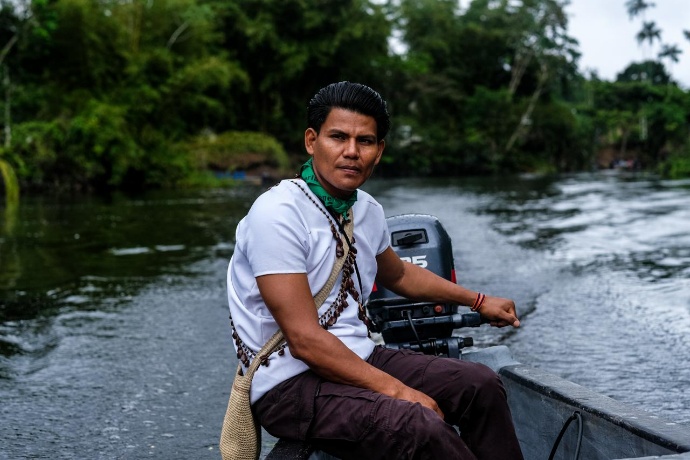
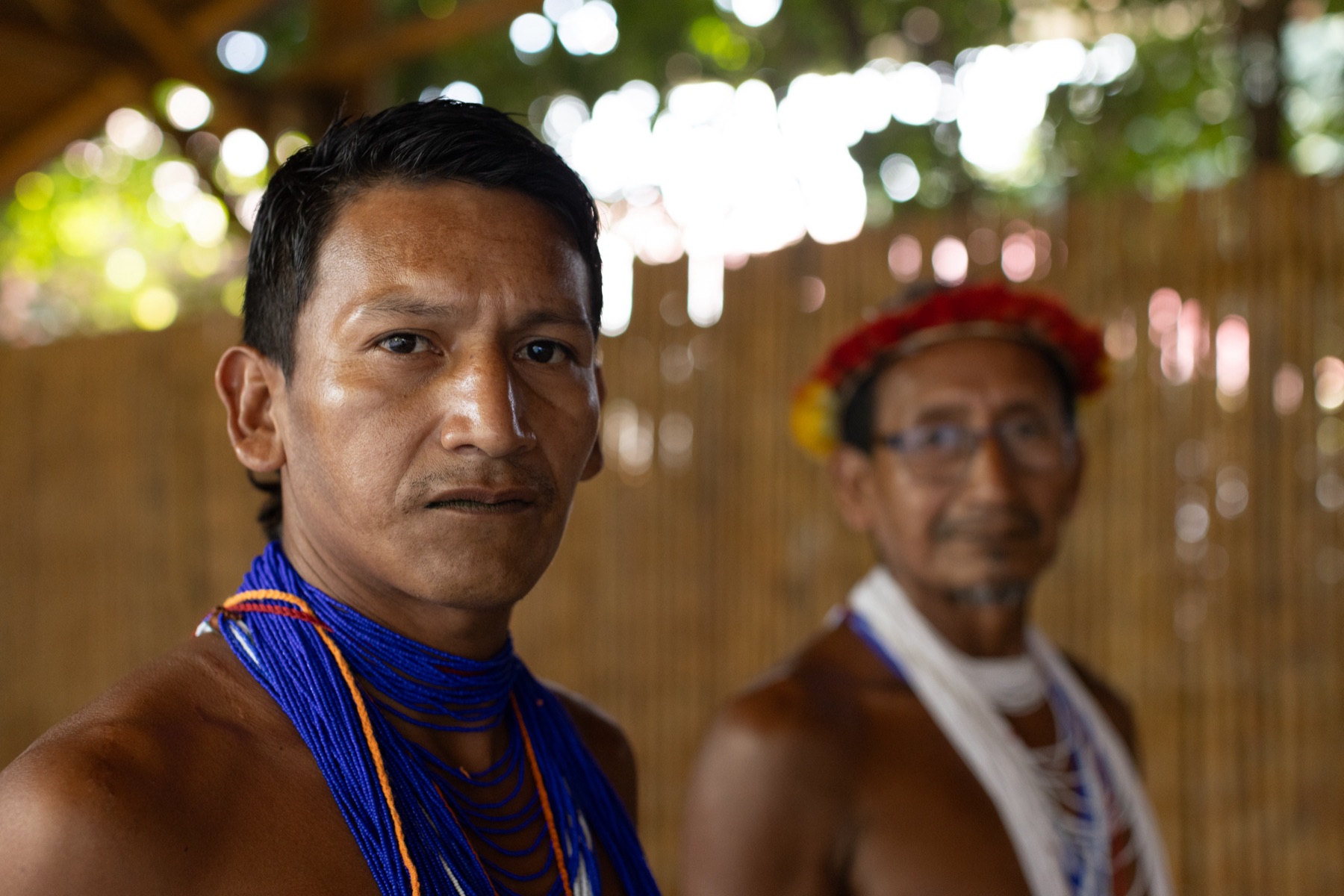
A project managed by Nancy Correa Payaguaje of the Siona People.
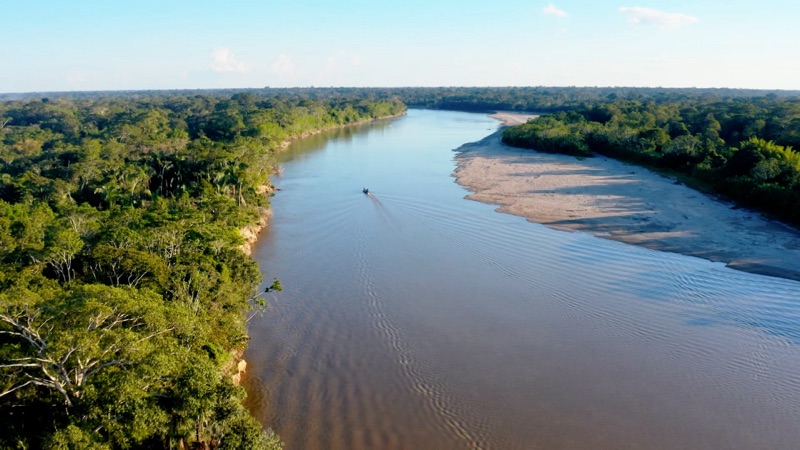
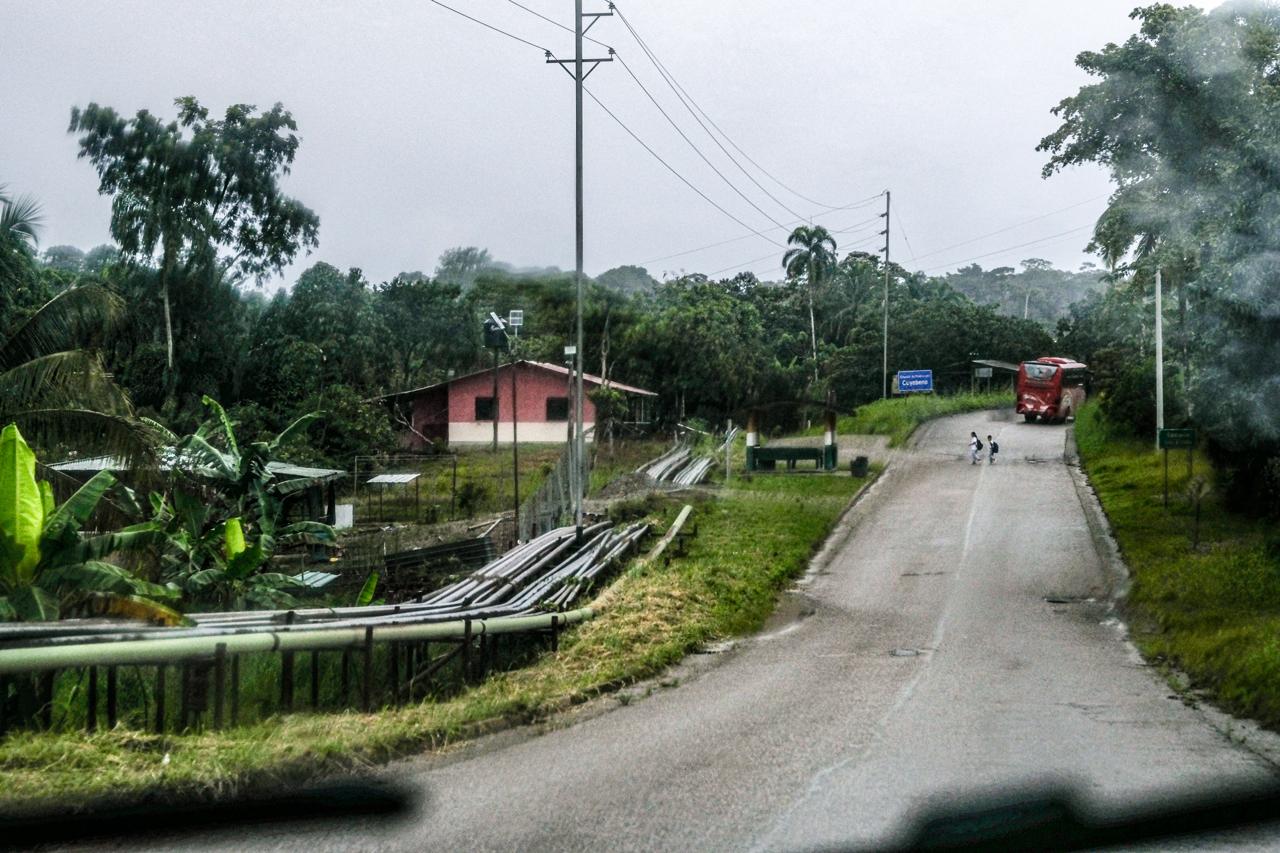
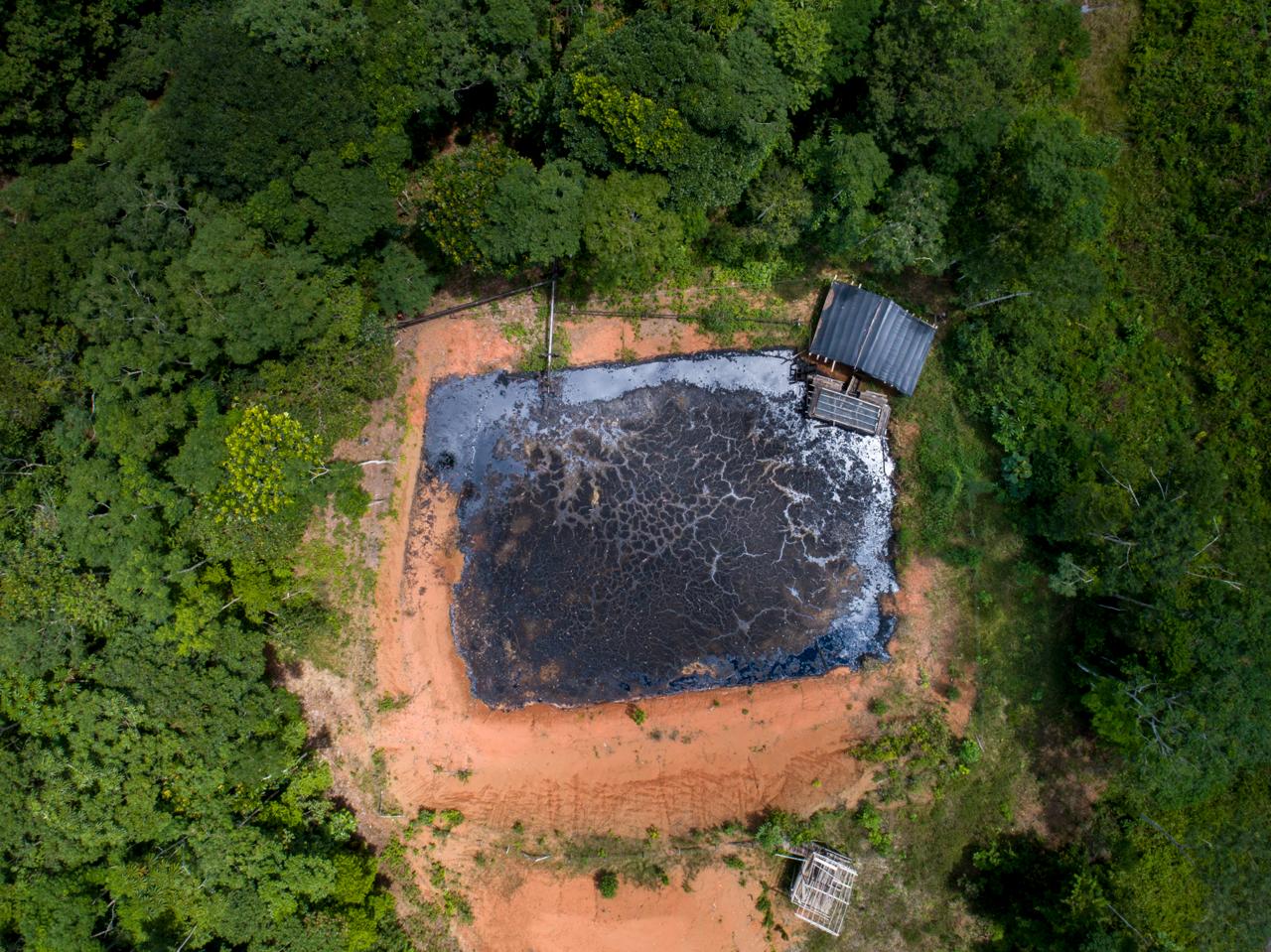
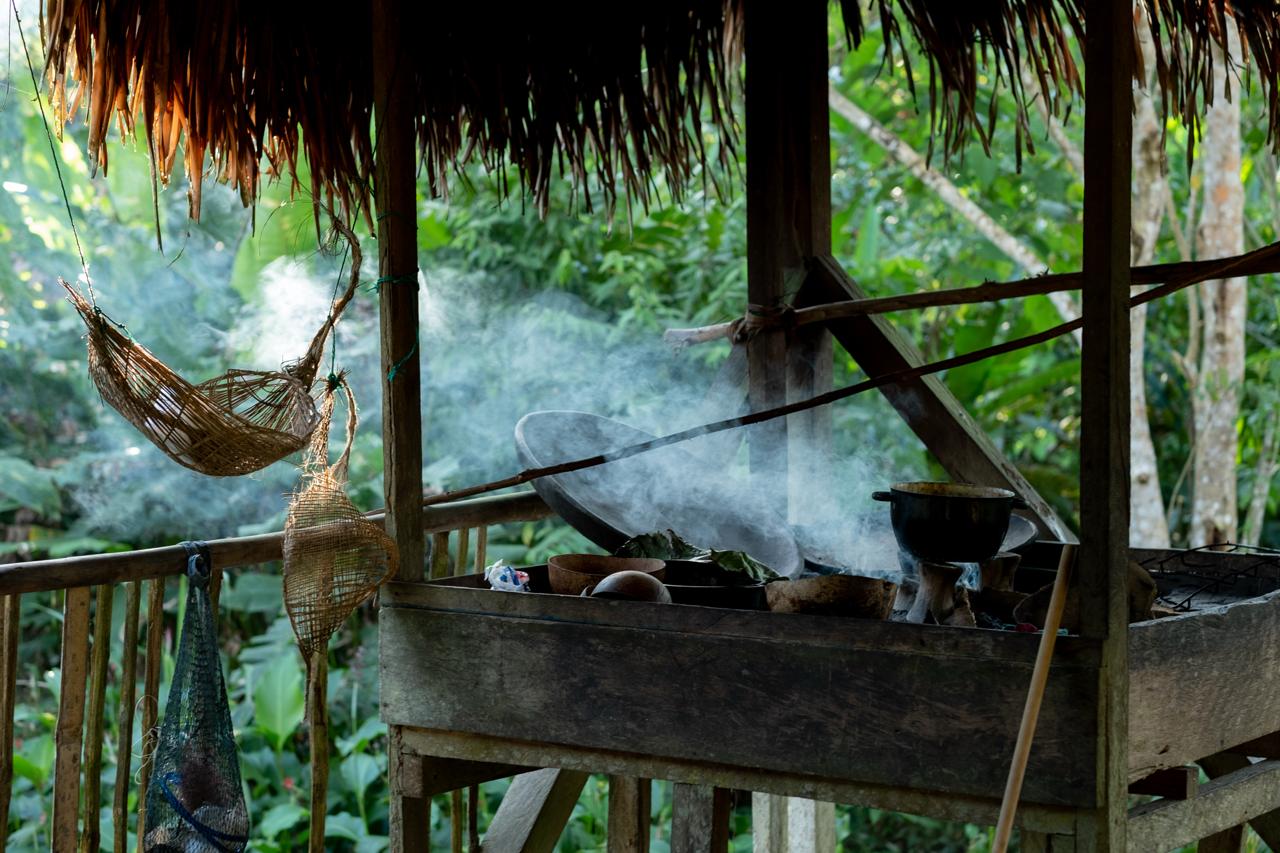
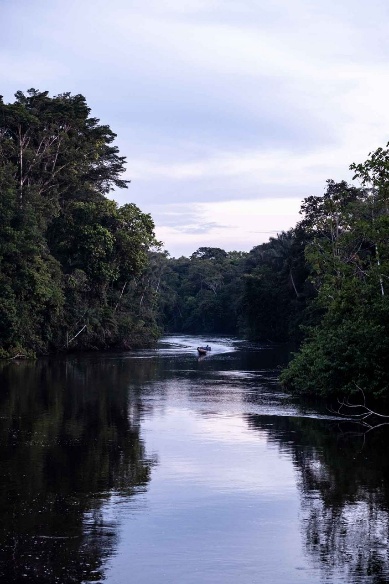
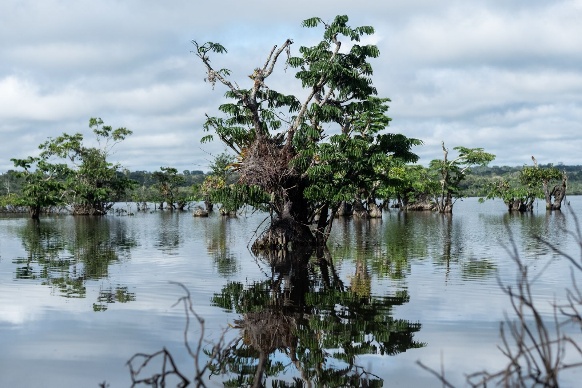
Today, the Siona people number approximately 900 in Ecuador and fewer than 2,000 in Colombia. They are a people of the yagé and chagra traditions, who have lived for millennia along the banks of the Putumayo River and its tributaries. Today, they are spread across 21 communities in both countries, fragmented by colonization, Catholic evangelization, politically imposed borders, widespread extractive practices (oil, mining, deforestation, hunting, and illegal poaching), and armed conflict due to drug trafficking since the 1980s, which have divided the Siona people territorially. Because of current policies, they now live in border areas, and the ability to maintain their culture, spirituality, and basic livelihood has been considerably diminished.
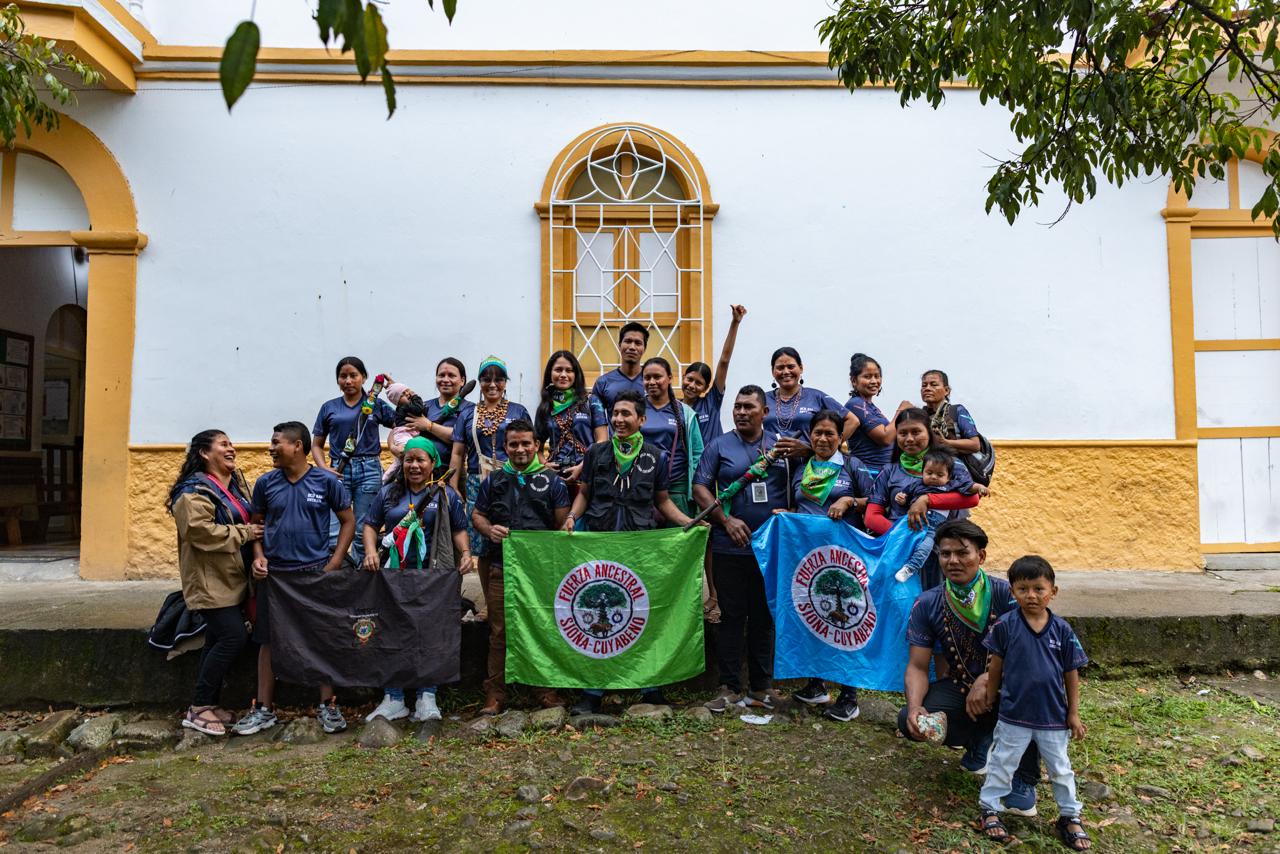
For millennia, their ancestors cared for the territory by taking the sacred remedy yagé, transforming themselves into jaguars, boas, and eagles, communing with spirit beings for the well-being of the community. But now, the threats are too numerous and they must defend themselves through their Indigenous Guard, which is rooted in their spirituality. They defend what remains of their ancestral territory and, with it, the consolidation of their self-determination, well-being, and cultural survival. Caring for their territory means defending life. But even so, they remain fragmented across the land, separated and disconnected from the places where they were born.
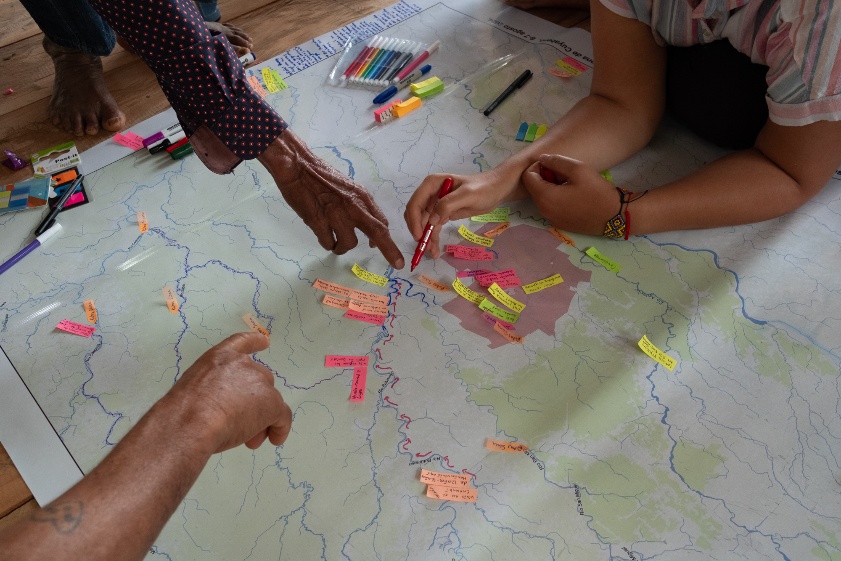
This project proposes a five-year initiative to establish elder-led training programs for the Indigenous Guard in the 21 Siona communities. Beginning with reconnection and healing, these harmonization gatherings with the elders will help them to understand the history of why they are separated and how to mend what has been broken. They will begin by connecting Buenavista on the Colombian side with Cuyabeno on the Ecuadorian side. The aim is to rediscover family ties and the relationship with the territory that has been fragmented to strengthen defenders of the territory and provide intergenerational education for the protection of the ancestral Siona culture.
We are currently seeking funding for the following: